See castle

Courtyard

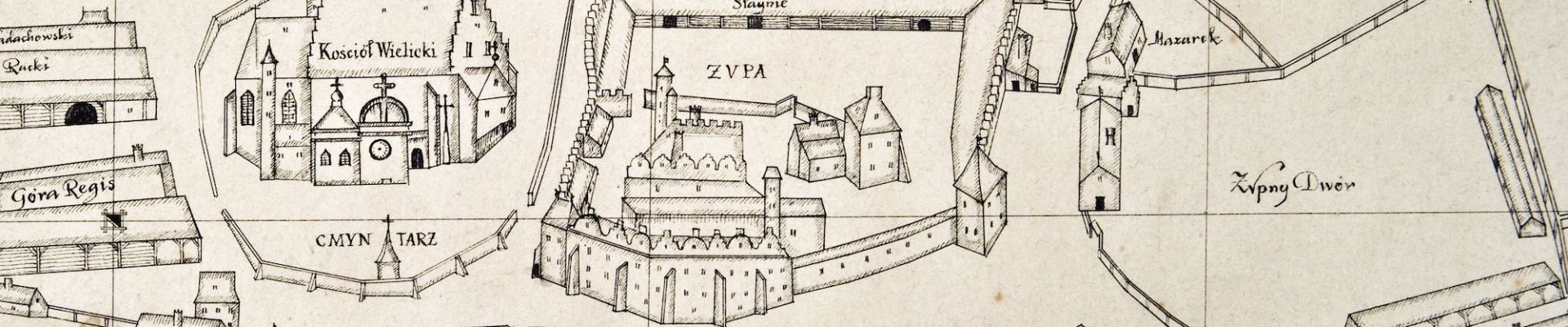
The courtyard of is a charming place where history meets a unique atmosphere. Surrounded by walls, it forms the heart of the castle complex, which once served as the seat of the salt mine administration. It is just a 3-minute walk from the Daniłowicz Shaft and 3 minutes from the Regis Shaft.

Tower

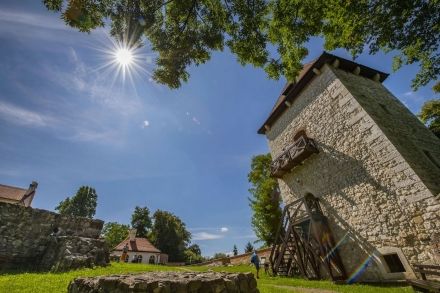
The 14th-century tower is the only remaining part of the medieval city fortifications.

King Casimir the Great surrounded the town with a defensive wall that included two gates and 19 towers. The tower once housed, among other things, a prison, arrow slits, and even temporarily served as the residence of the mine chaplain. Inside, visitors can view photographs showing the tower's appearance in the past and today. From the gallery and windows, there is a panoramic view of the castle courtyard.

Shaft

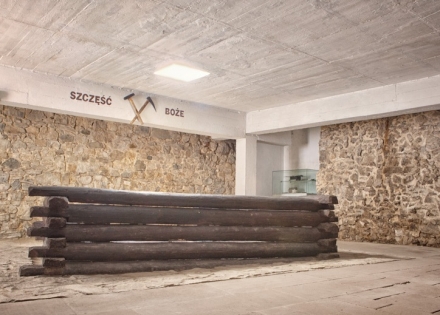
This prospecting shaft from the mid-13th century is the oldest mining shaft in Wieliczka.

Its actual depth remains unknown. It was probably abandoned before reaching the salt deposit. The shaft’s fill contained artifacts such as ceramics, wooden pegs, whetstones, iron hooks, a wooden bowl, and remarkably, two linden-bast ropes—one used for signaling, the other for transport. Nearby, iron wedges used to split salt blocks were also discovered.

Middle Castle

This is the oldest part of the complex, dating back to the late 13th century.

During the reign of King Casimir the Great, the building was significantly expanded. Inside, highlights include the Gothic Hall supported by a single column and the famous collection of salt cellars. On the lowest level, visitors can explore charming cellars that house an archaeological exhibition showcasing the origins of salt production in Wieliczka.

This is where the saltworks enterprise - the oldest and most important in the history of Poland - was born.

Northern Castle

This building housed a chapel, a library, and apartments for high-ranking officials.

It was here that miners received their tools, tallow for their lamps, wages, and salt rations. Today, this part of the Castle hosts temporary exhibitions. Of particular interest are the priceless polychromes—wall paintings that adorn five rooms. They date from the 16th century through to the early 20th century.

In 2028, a modern permanent exhibition titled “A Salt Jewel in the Crown” will open in this space.

Defence Wall

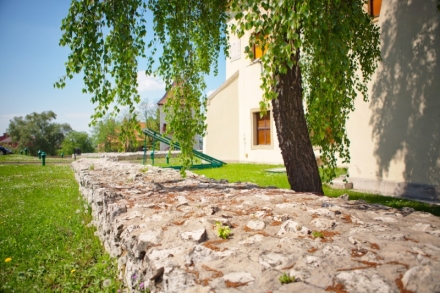
To protect this strategic location, an oval defensive wall was erected at the end of the 13th century.

Built from sandstone, it enclosed the original tower-shaped castle, which measured 16 by 10 meters. This architectural design served both defensive and practical purposes—ensuring the protection of people, tools, documents, and salt.

Saltworks kitchen

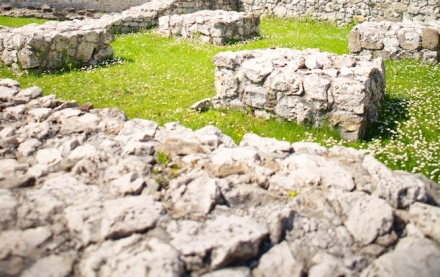
Fragments of the 15th-century saltworks kitchen can be seen in the castle courtyard. It was one of the first mass catering facilities in Europe.

From the 14th to 16th century, it provided free meals to permanent mine workers, clergy, retirees, individuals with royal privileges, carters, and merchants. Historical records show that the saltworks kitchen was an impressive operation—its expenses ranked among the most significant in the Wieliczka saltworks budget. On occasion, bear paws from royal hunts were even delivered here.

Saltworks garden

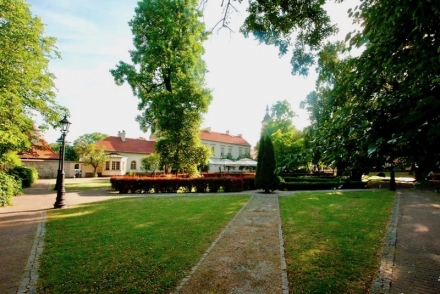
Located just outside the Castle, the Garden is a pleasant place for a walk and a moment of rest.

It was established in 1564 to separate the Castle from the surrounding townspeople’s houses and protect it from the frequent fires of that time. The garden also served as a Renaissance ornamental space. Between 1714 and 1717, it was redesigned “in the Italian manner.” The beds in the "lower garden" were planted with boxwood and sage, and vegetables and herbs used in the saltworks kitchen were also cultivated there.
X
pliki cookies

By using the site you agree to their use. It is possible to disable cookies through your browser settings.