

Cracow Saltworks Museum in Wieliczka
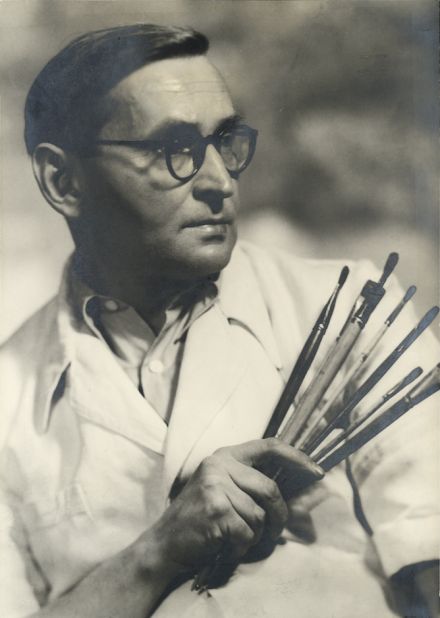
The Museum is a state cultural institution that was established in 1951, whose mission is to protect and to popularise the rich history of salt mining in Poland, which is perceived as a lasting heritage of humanity. The idea of saving the Wieliczka salt mine, a monument of nature and the work of Polish miners, was undertaken by Alfons Długosz, an artist and professor of Wieliczka middle school.
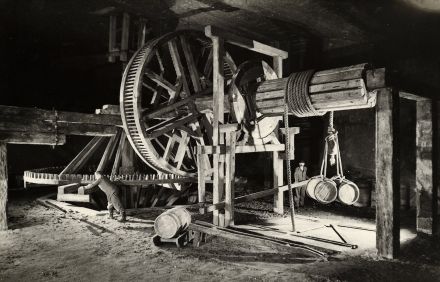
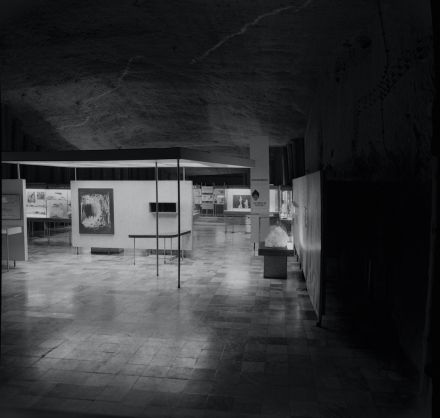
In 1966, during celebrations of 1,000 years of the Polish state, the exhibition was opened to the general public. It is the largest underground museum in Europe (with a surface area of 7,481 m2). It presents all the aspects of salt making and the mining industry conducted in the Cracow saltworks. The exhibits presented in the historical pits make up a unique mining museum.
The subject matter and the framework of research which falls within the range of interest of the Museum’s employees is very extensive and diverse: it encompasses the Miocene (the genesis of salt deposits) and the Neolithic era with respect to archaeological research (beginnings of settlements and salt processing). Within the area of history and material culture, it covers the period from the 13th to the end of the 20th century and refers to the role and the significance of the salt economy in the history of Poland, its impact on the development of the cities of Wieliczka and Bochnia and former and contemporary mining and salt-processing technologies.
The Museum exhibits are divided into the following collections: Geological, Archaeological, Mining Technology, Cartography (primarily mining maps), Art, Ethnography, Archives (documents, manuscripts, Saltworks documentation) and the so-called Special Collection (old photographs, post-cards, diplomas, ceremonial documents). The abovementioned collections, along with a specialist library, detailed scientific and technical documentation of the pits executed in the mines of Wieliczka and Bochnia and a collection of microfilms, make up the complete basis for the conducted research.
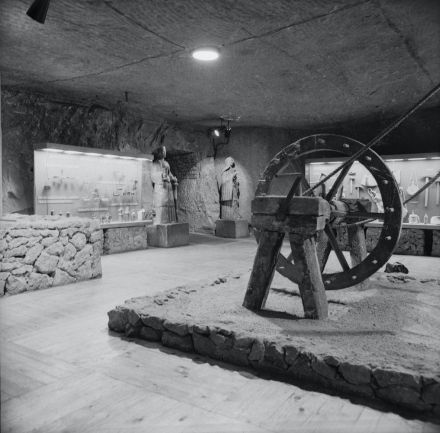
The Museum’s very complex and extremely costly task is to preserve the mining pits in a safe condition, as well as to maintain the exhibits presented there, which are constantly threatened by the mechanical impact of the rock mass, salinity, differences of temperature and humidity and mould.
The Museum pays particular attention to educational activity. The Museum attempts to bring this unique monument and its significance closer to children and youth by means of exhibitions, workshops, classes, presentations and competitions, as well as outdoor events. Such events, due to the fact of being organised in unusual places (in the Saltworks Castle and its courtyards, as well as underground at a depth of 135 m), make for an unforgettable experience. The promotion of the Museum and its rich educational and cultural offer also occupies an important place.
Museum directors
Roman Kędra 1975 - 1990
Antoni Jodłowski 1990 - 2015
Jan Godłowski 2016 -